

Ghost mannequin photography is the industry standard for presenting clothing in e-commerce. It gives garments a clean, three-dimensional look without the cost and complexity of a full model photoshoot.
But traditional ghost mannequin editing in Photoshop can take 15 to 30 minutes per image, and that adds up fast when you have hundreds of SKUs.
Today, an AI ghost mannequin generator makes this process even easier. With an AI fashion design tool, brands can remove mannequins and generate clean product images in minutes.
This guide covers everything you need to know: what ghost mannequin photography is, how the traditional process works, how AI has changed it, and how to create ghost mannequin images using Fashion Diffusion’s Flat Lay Generator.
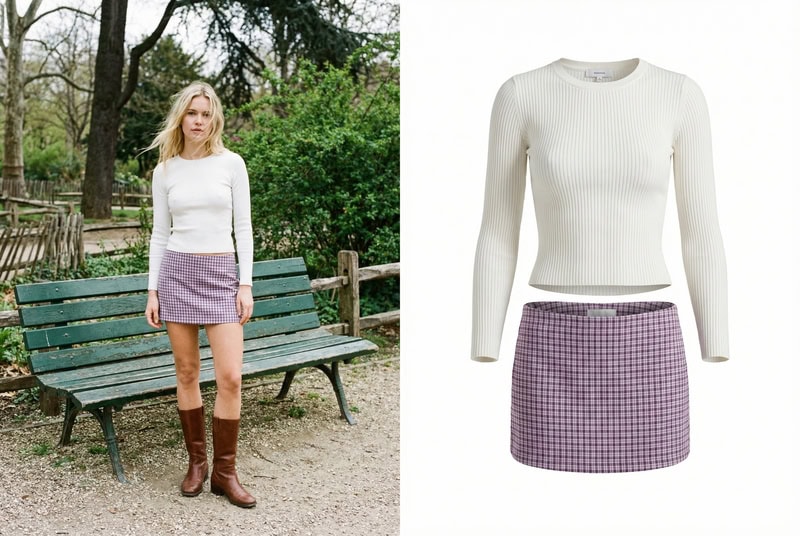
What Is an AI Ghost Mannequin Generator
An AI ghost mannequin generator is a tool that uses artificial intelligence and computer vision to create clothing product images with an invisible mannequin effect. It automatically removes mannequins, models, or backgrounds from clothing photos, producing a three-dimensional “hollow” look that highlights the natural shape of the garment.
Many specialized AI ghost mannequin generators have emerged, and a growing number of fashion design tools also include this feature, enabling users to produce clean and realistic ghost mannequin results with minimal editing.
Ghost mannequin images are widely used across e-commerce product pages, wholesale catalogs, and marketplace listings because they are:
- Consistent: no variation in model pose or expression.
- Scalable: easy to process hundreds of products at the same volume.
- Cost-effective: no recurring model fees required.
- Focused: the garment, not the person, stays at the center of the frame.
Traditional Ghost Mannequin Photography vs. AI: Key Differences
Before diving into the AI workflow, it helps to understand what the traditional process involves, and where AI removes the friction.
How Traditional Ghost Mannequin Photography Works
The classic process requires shooting a garment on a mannequin, then capturing the interior details separately in a second shot. In Photoshop, the editor composites the two images together, masks out the mannequin piece by piece, and reconstructs the hidden areas of the garment.
A well-executed edit on a single image typically takes 15 to 30 minutes. For brands processing 100 or more products per season, this adds up to hundreds of hours of editing time.
How AI Ghost Mannequin Photography Works
AI tools analyze the garment in a photo, and automatically reconstruct the invisible mannequin effect. The model is removed, interior garment details are filled in, and the background is cleaned up, all in seconds.
| Traditional Method | AI Method | |
| Time per image | 15 to 30 minutes | Under 1 minute |
| Equipment needed | Mannequin, studio, camera | A garment photo |
| Editing skill required | Advanced Photoshop | None |
| Cost | Studio + retoucher fees | Low per-image cost |
| Scalability | Limited by editor capacity | Batch processing |
| Best for | Premium, high-complexity garments | E-commerce at scale |
For most e-commerce workflows, AI handles the bulk of catalog production efficiently. For very high-end editorial work where pixel-perfect precision matters, traditional retouching still has a role.
Ghost Mannequin vs. Flat Lay vs. Model Photography
Choosing the right visual style depends on your goals for each image.
| Method | Key Feature | Best For |
| Ghost Mannequin | Shows garment shape and structure | E-commerce product pages, catalogs |
| Flat Lay | Clothing photographed on a flat surface | Social media, accessories, casual display |
| Model Photography | Shows fit and lifestyle appeal | Lookbooks, campaigns, brand storytelling |
Most fashion brands use all three — ghost mannequin for product listings, model photos for marketing, and flat lay for social content. The ghost mannequin format works particularly well for structured garments like jackets, shirts, and dresses where shape and fit are key purchasing factors.
Why Fashion Brands Are Adopting AI Ghost Mannequin Generators
As fashion e-commerce continues to grow, brands need to produce large volumes of consistent product images for online stores, catalogs, and marketplaces. Traditional ghost mannequin photography can effectively showcase the structure of garments, but the process often involves mannequins, multiple photos, and time-consuming editing.
With recent advances in computer vision and AI image editing, many brands are beginning to adopt AI ghost mannequin generators to simplify this workflow. These tools allow clothing images to be processed more efficien tly while maintaining a professional look.
Faster Product Image Production
Creating traditional ghost mannequin images usually requires photographing garments from multiple angles and carefully combining the images during post-production. AI fashion design tools significantly speed up this process by automatically removing mannequins and reconstructing hidden areas of the clothing.
Lower Photography and Editing Costs
Fashion product photography often involves studio setups, mannequins, photographers, and professional retouching. By automating parts of the editing workflow, AI ghost mannequin generators help reduce the amount of manual work required, making the overall production process more cost-efficient.
Scalable for Large Fashion Catalogs
Many fashion brands release seasonal collections with hundreds of products. Maintaining consistent visuals across such large catalogs can be challenging. AI ghost mannequin photography makes it easier to process large batches of clothing images and generate uniform ghost mannequin results across entire product lines.
Cleaner and More Consistent Product Images
Ghost mannequin photography focuses attention entirely on the garment, highlighting its shape and structure without distractions. AI-generated ghost mannequin images help brands maintain consistent backgrounds, lighting styles, and product presentation across their e-commerce platforms.
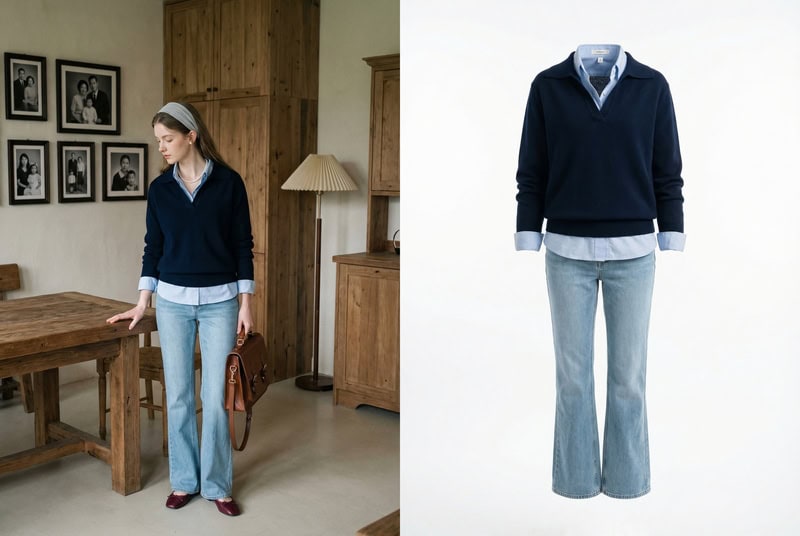
How to Create Ghost Mannequin Images with Fashion Diffusion
Creating ghost mannequin product images with AI is simple with tools like Fashion Diffusion. By using the AI Inpainting feature, you can remove the mannequin or model from a clothing photo and generate a clean ghost mannequin effect in just a few steps.
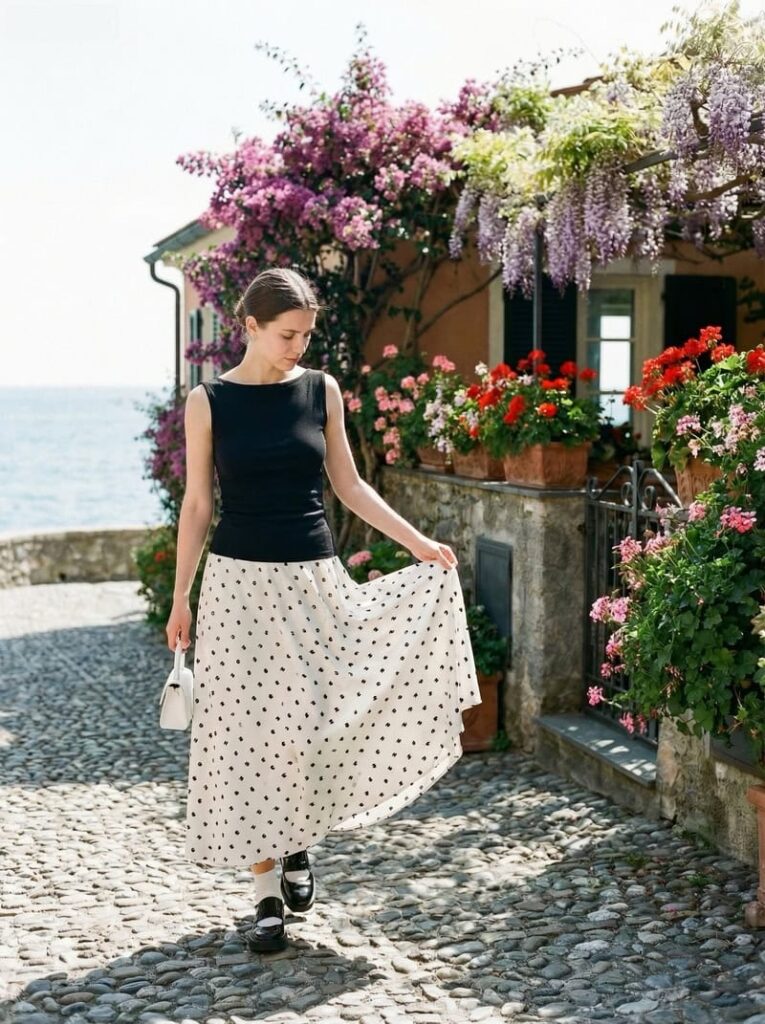
Step 1: Upload a Clothing Image
Start by uploading a clothing photo to the AI Inpainting tool. You can choose images in different styles depending on the final look you want to create—for example, studio product photos, model shots, or fashion editorial images. Selecting a clear image with well-defined garment details will help the AI generate a more realistic ghost mannequin effect.
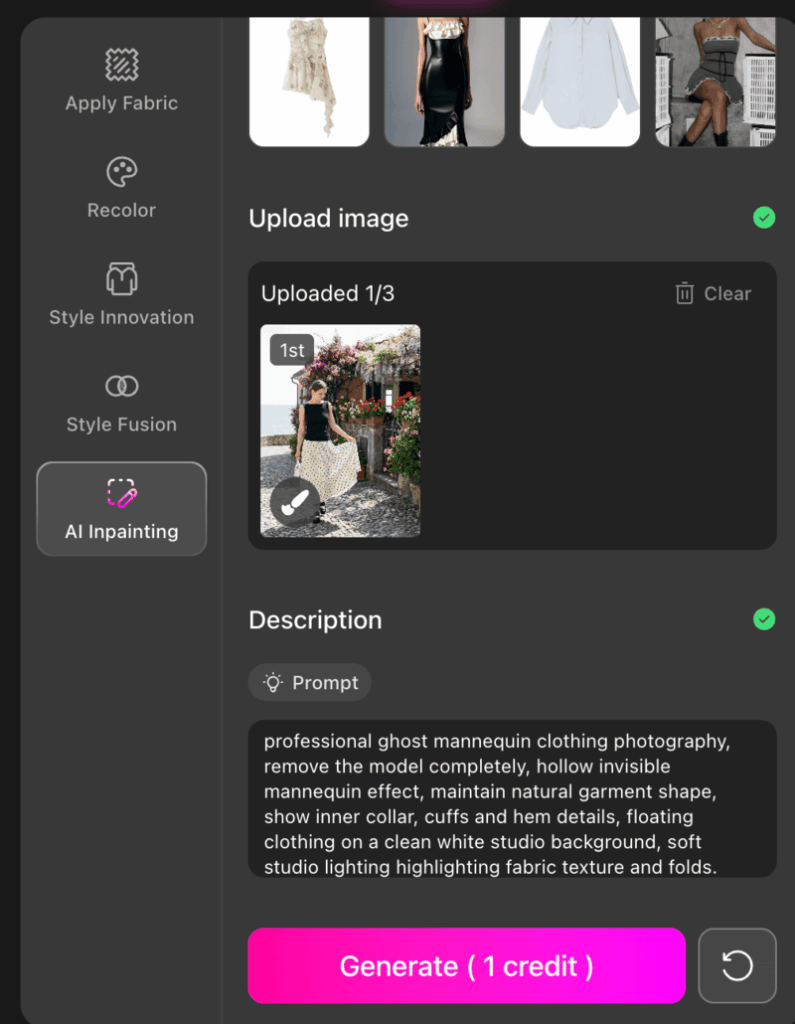
Step 2: Enter a Description Prompt
Next, enter a prompt describing the ghost mannequin effect you want to create.
Here is an example prompt:
professional ghost mannequin clothing photography, remove the model completely, hollow invisible mannequin effect, maintain natural garment shape, show inner collar, cuffs and hem details, floating clothing on a clean white studio background, soft studio lighting highlighting fabric texture and folds.
This description helps the AI understand how to reconstruct the garment and generate a realistic invisible mannequin effect.
Step 3: Generate the Image
After entering the prompt, simply generate the image. You can create multiple variations and refine the results by adjusting your description, for example, adding details about image ratio, resolution, or lighting style. This allows you to gradually fine-tune the output until it matches the product photography look you want.
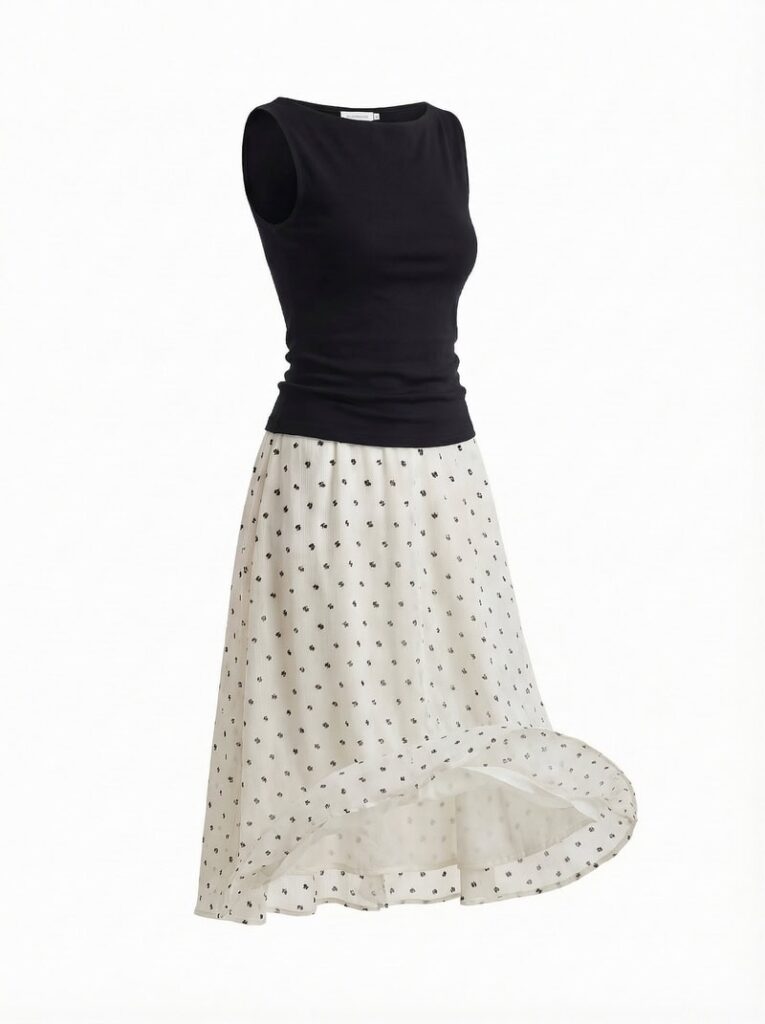
Best Use Cases for AI Ghost Mannequin Generators
Ghost mannequin images are widely used across fashion e-commerce because they present clothing in a clean, professional way while still showing the garment’s natural shape. In fact, industry surveys show that about 57.2% of fashion e-commerce brands use ghost mannequin photography as part of their product image strategy.
With the rise of AI image editing tools such as Fashion Diffusion, AI ghost mannequin generators are now being used in several key scenarios across the fashion industry.
E-commerce Product Pages
One of the most common uses for ghost mannequin images is on e-commerce product pages. These images highlight the structure of garments without distractions from mannequins or models. Clear product images are critical for online apparel stores, as 93% of consumers consider visual appearance a key factor in purchase decisions.
Because AI ghost mannequin clothes focus entirely on the garment, they are particularly effective for presenting items like jackets, shirts, dresses, and sweaters.
Large Product Catalog Production
Fashion brands often release seasonal collections that include dozens or even hundreds of products. AI ghost mannequin tools are particularly useful when processing large batches of clothing images, allowing teams to generate consistent product visuals across an entire catalog.
This makes them practical for brands that regularly update inventory or launch new collections.
Marketplace Product Standardization
Online marketplaces and multi-brand stores often require standardized product images. Ghost mannequin visuals provide a consistent presentation style that works well across product grids, making it easier for shoppers to compare garments.
Because the mannequin is removed and the focus remains on the clothing itself, the images appear clean and uniform across different product listings.
Digital Catalogs and Brand Websites
AI Ghost mannequin images are commonly used in digital catalogs and brand websites where the goal is to highlight garment design and structure. In these contexts, the invisible mannequin effect helps present clothing in a clear and professional format without the distraction of models or styling elements.
Tips for Getting Better Results with an AI Ghost Mannequin Generator
While an AI ghost mannequin generator can automate much of the image editing process, a few practical adjustments can significantly improve the final results. From selecting the right input image to refining prompts, these small details help produce more realistic ghost mannequin product photos.
Start with a Clear Garment Image
The quality of the input image directly affects the final result. Choose photos with clear lighting, minimal shadows, and visible garment edges. Images where the clothing structure is clearly defined will help the AI reconstruct the garment more accurately.
Use Detailed but Focused Prompts
When entering a description prompt, include key visual details such as lighting style, background, and garment presentation. However, keep the prompt concise so the AI can clearly interpret the intended effect.
For example, specifying elements like “white studio background”, “ghost mannequin effect”, or “soft studio lighting” can help generate more consistent product images.
Highlight Interior Garment Details
One characteristic of high-quality ghost mannequin photography is the visibility of inner garment details such as the collar interior, sleeve openings, or hems. Including these details in the prompt can help the AI generate more realistic results that resemble professional product photography.
Generate Multiple Variations
AI image generation often produces slightly different outputs each time. Generating several variations allows you to compare results and choose the version that best matches your desired product photography style.
The Future of AI Ghost Mannequin Generators in Fashion E–commerce
AI ghost mannequin generators are reshaping how fashion brands create product images. This guide has covered what they are, why brands are adopting them, how to generate images with AI Inpainting using Fashion Diffusion, and best practices for professional results.
Looking ahead, AI-powered product photography will become faster, more consistent, and increasingly versatile. Advances in computer vision and generative AI will allow brands to produce high-quality ghost mannequin images at scale, reducing costs while maintaining a polished, professional look.
For designers, e-commerce teams, and creative professionals, exploring AI fashion design tools like Fashion Diffusion offers a simple way to generate realistic, clean, and flexible product visuals. Embracing AI ghost mannequin technology today is an opportunity to stay ahead in the competitive world of fashion e-commerce.
FAQ
An AI ghost mannequin generator is a tool that uses artificial intelligence and computer vision to create clothing product images with an invisible mannequin effect. It automatically removes mannequins or models from photos and reconstructs hidden garment areas to highlight the natural shape of the clothing.
Yes. AI ghost mannequin tools work best for garments with defined shapes, such as jackets, shirts, dresses, and sweaters. While they can process most clothing types, very loose or abstract designs may require additional prompt refinement to achieve the desired effect.
Better results can be achieved by starting with high-quality, well-lit input images. When writing prompts, include specific visual descriptions so the AI can better understand the desired look. Finally, adjusting prompt parameters such as image ratio or resolution can further refine the outcome and better match your specific needs.
AI ghost mannequin tools save time, reduce costs, and allow brands to scale product photography efficiently. They are ideal for e-commerce product pages, large catalogs, online marketplaces, and digital marketing materials. Tools like Fashion Diffusion make it easy for designers and e-commerce teams to produce professional, consistent, and realistic garment images.
With tools like Fashion Diffusion, generating a ghost mannequin image typically takes just a few minutes. You can also create multiple variations quickly, making it easy to compare results and select the best version for your product catalog or e-commerce listings.


